A Comprehensive Guide to Obtaining and Understanding Driver Licences in the UK
Driver licences in the United Kingdom are important files that license individuals to run motor automobiles on public roads. The procedure of obtaining a driver licence is structured carefully to ensure that just certified individuals can drive, thus enhancing road security for all. This blog post provides a detailed introduction of the UK driver licence system, covering everything from the kinds of licences to the application procedure, key paperwork needed, and often asked questions.
Types of Driver Licences in the UK
The kind of licence you require depends upon the category of automobile you mean to drive. Below, we will check out the different classifications of driver licences in the UK.
| Category | Description |
|---|---|
| Classification A | Bikes with a capacity over 400cc or with a power output going beyond 25kW. |
| Category B | Automobiles and light automobiles up to 3.5 tonnes with no more than 8 passenger seats. |
| Category C | Big lorries, over 3.5 tonnes. |
| Classification D | Buses with more than 8 seats. |
| Category E | Cars with trailers, which should be included on to an existing classification B, C, or D licence. |
| Category F | Agricultural automobiles. |
| Category G | Road rollers and other unique lorries. |
How to Obtain a UK Driver Licence
Action 1: Meet the Eligibility Requirements
To look for a driver's licence in the UK, you should meet particular eligibility requirements:
- Age: You need to be at least 17 years old to drive a car; 16 for mopeds.
- Residency: You need to be a local of Great Britain, the Isle of Man, or Northern Ireland.
- Medical Fitness: You must satisfy particular fitness requirements.
Action 2: Apply for a Provisional Licence
Before you can start driving on the roadway, you need to apply for a provisionary licence. This enables you to practice driving under certain conditions.
How to request a provisional licence:
| Method | Information |
|---|---|
| Online | Through the DVLA site (Driver and Vehicle Licensing Agency). |
| By Post | Fill out the D1 kind and send it to the DVLA with a fee. |
Required Documents:
- Proof of identity (passport or birth certificate).
- A passport-sized photo.
- Payment for the application cost.
Step 3: Learning to Drive
When you have your provisional licence, you can start taking driving lessons. Buy Drivers License Online is extremely recommended to find a certified driving instructor. You can also experiment household or friends as long as they satisfy the requirements (over 21 and holding a complete UK driving licence).
Step 4: Take the Driving Test
The driving test includes 2 essential parts: the theory test and the dry run.
Theory Test:
- Multiple Choice Section: 50 questions on driving knowledge.
- Hazard Perception Section: Videos where you need to determine threats.
Dry run:
- An on-road driving evaluation generally lasting about 40 minutes.
Step 5: Receive Your Full Licence
Upon passing both parts of the driving test, you will receive a full driving licence that you can use on UK roads.
Key Documentation Needed for Application
When getting a UK driving licence, the following documentation is generally needed:
- Proof of Identity: Passport, birth certificate, or nationwide identity card.
- Address Information: Document showing your current address, e.g., utility expense or bank statement.
- Photos: Passport-sized pictures, which should satisfy specific requirements.
- Application Fee: Payment approach, typically payable online or by means of cheque.
Often Asked Questions (FAQs)
Q1: What is the cost of acquiring a driver licence in the UK?
The preliminary expense for a provisionary licence is around ₤ 34 when applied online. The theory test expenses around ₤ 23, while the dry run can range in between ₤ 62 and ₤ 75. Costs might vary, so it's suggested to check the current costs on the DVLA website.
Q2: How long is my driving test legitimate for?
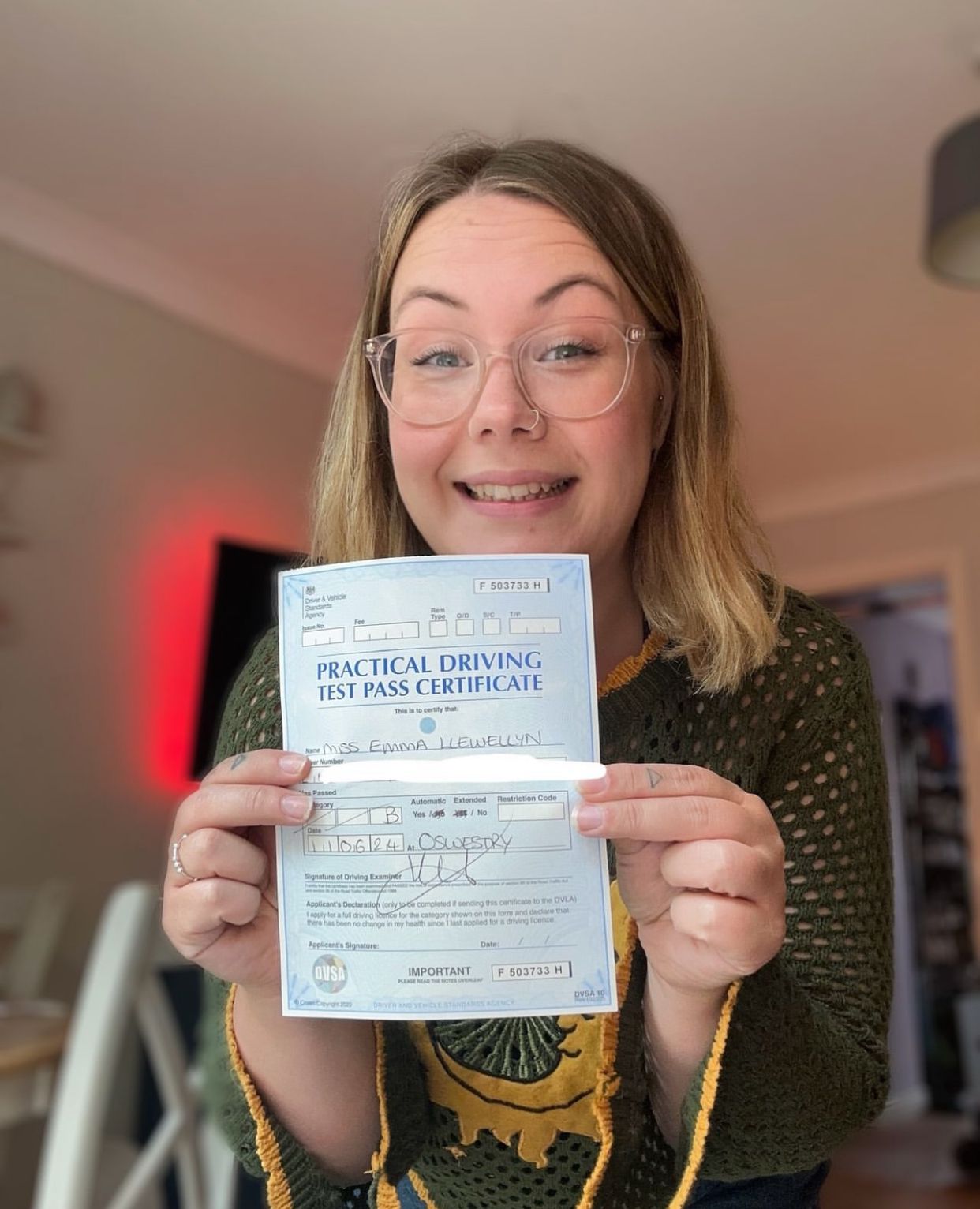
Once you pass your driving test, your driving test pass certificate is valid indefinitely. However, if you do not apply for your driver licence within two years of passing, you will need to take the test once again.
Q3: Can I drive while awaiting my driver licence?
Yes, you can drive utilizing a provisional licence, supplied you have actually a qualified driver accompanying you in the car and you are not on motorways.
Q4: What takes place if I fail my driving test?
If you fail your driving test, you can retake it two weeks after your last attempt. The waiting duration is designed to provide you time to practice and enhance your skills.
Q5: Can I upgrade my licence to a different classification?
Yes, you can update your licence to a various category, such as from a standard car licence (Category B) to a bus or big car licence. This will normally require taking extra driving tests.
The journey to obtaining a driver licence in the UK involves numerous essential steps and an understanding of the various categories readily available. From making an application for a provisionary licence to passing the required tests, each phase functions as a measure to guarantee that individuals are prepared to drive responsibly. By understanding the process and requirements detailed in this guide, potential drivers can set themselves up for success on the roadway.
Whether you desire drive a car, a bus, or a motorbike, being informed is your initial step towards becoming a positive and capable driver.